


Oversized clothing is more than just a passing trend; it’s a testament to fashion’s evolving embrace of comfort, fluidity, and effortless cool. From slouchy blazers to baggy jeans and voluminous sweaters, oversized pieces offer unparalleled comfort and a laid-back aesthetic. However, styling them effectively can be a challenge – too much fabric can quickly go from “fashion-forward” to “frumpy” or simply make you look like you’re wearing clothes several sizes too big.
The secret lies in balancing proportions, playing with textures, and adding intentional structure. Here’s your ultimate guide to mastering the art of oversized dressing.
1. The Golden Rule: Balance Your Proportions
This is the most crucial tip for styling oversized pieces. The key is to avoid having all your clothing be baggy.
- Pair Loose with Fitted: If you’re wearing an oversized top (like a baggy sweater or T-shirt), pair it with something more fitted on the bottom (e.g., skinny jeans, leggings, straight-leg trousers, or a pencil skirt).
- Pair Loose with Structured: Conversely, if your bottom is oversized (like wide-leg pants or baggy jeans), opt for a more fitted, cropped, or structured top. A fitted tank top, a cropped sweater, or a crisp, tucked-in shirt can work wonders.
This creates a flattering silhouette that prevents you from looking shapeless.
2. Define Your Waist (Even Subtly)
Giving your body some shape, especially at the waist, can transform an oversized outfit.
- The Tuck: A simple front-tuck (half-tuck) of an oversized shirt or sweater into your pants or skirt is incredibly effective. It defines your waist without fully committing to a full tuck, and creates a casual, stylish asymmetry.
- The Belt: Cinching an oversized blazer, dress, or even a shirt with a belt instantly creates an hourglass shape. Experiment with thin belts for subtle definition or wider belts for a more dramatic statement.
- Layering with Cropped Items: Wear a cropped jacket or a vest over an oversized top to visually break up the length and create a higher waistline.
3. Play with Texture and Fabric
The type of fabric plays a huge role in how an oversized garment looks and drapes.
- Drapey Fabrics: Opt for fabrics like silk, rayon, Tencel, or soft knits for oversized pieces that fall beautifully without adding bulk. These create a more elegant, flowing look.
- Structured Fabrics: For oversized items like blazers or trench coats, look for fabrics with some structure (e.g., wool blends, sturdy cotton, linen blends). This prevents them from looking sloppy.
- Crisp vs. Soft: A crisp, oversized button-down can look incredibly chic when contrasted with softer bottoms, or vice versa.
4. Show Some Skin (Strategically!)
A little peek of skin can break up the volume of oversized clothing and add intentionality to your look.
- Roll Up Sleeves: Rolling up the sleeves of an oversized shirt or jacket exposes your forearms, creating a more tailored and less overwhelming feel.
- Expose Ankles: Cropped oversized pants or simply cuffing your longer baggy jeans allows your ankles to show, creating a lean line.
- Open Necklines: A slightly open collar on an oversized shirt or a wide neck on a sweater can prevent the top from feeling too constricting around your face.
5. Choose the Right Footwear
Your shoes can dramatically impact the overall balance of an oversized outfit.
- Chunky Soles: Chunky sneakers, combat boots, or platform loafers work well with wide-leg pants or baggy jeans, balancing the volume of the fabric.
- Sleek & Pointed: For a more polished look with oversized pieces, opt for pointed-toe flats, heels, or sleek ankle boots. These can lengthen the leg line and add sophistication.
- Avoid dainty shoes: Very thin-soled or overly delicate shoes can look disproportionate with very voluminous clothing.
6. Consider the Shoulder Seam (for Tops/Outerwear)
While “oversized” implies larger, pay attention to the shoulder seam.
- Dropped Shoulder: Most oversized tops and jackets will have a dropped shoulder, which is fine and part of the aesthetic.
- But Not Too Dropped: Ensure the shoulder seam isn’t so far down your arm that it makes your silhouette look sloppy or ill-fitting. The goal is intentional looseness, not drowning.
7. Accessorize Thoughtfully
Accessories can elevate your oversized look and add personal flair.
- Statement Jewelry: Bold necklaces or earrings can draw attention to your face and neck, balancing the wider proportions of your clothing.
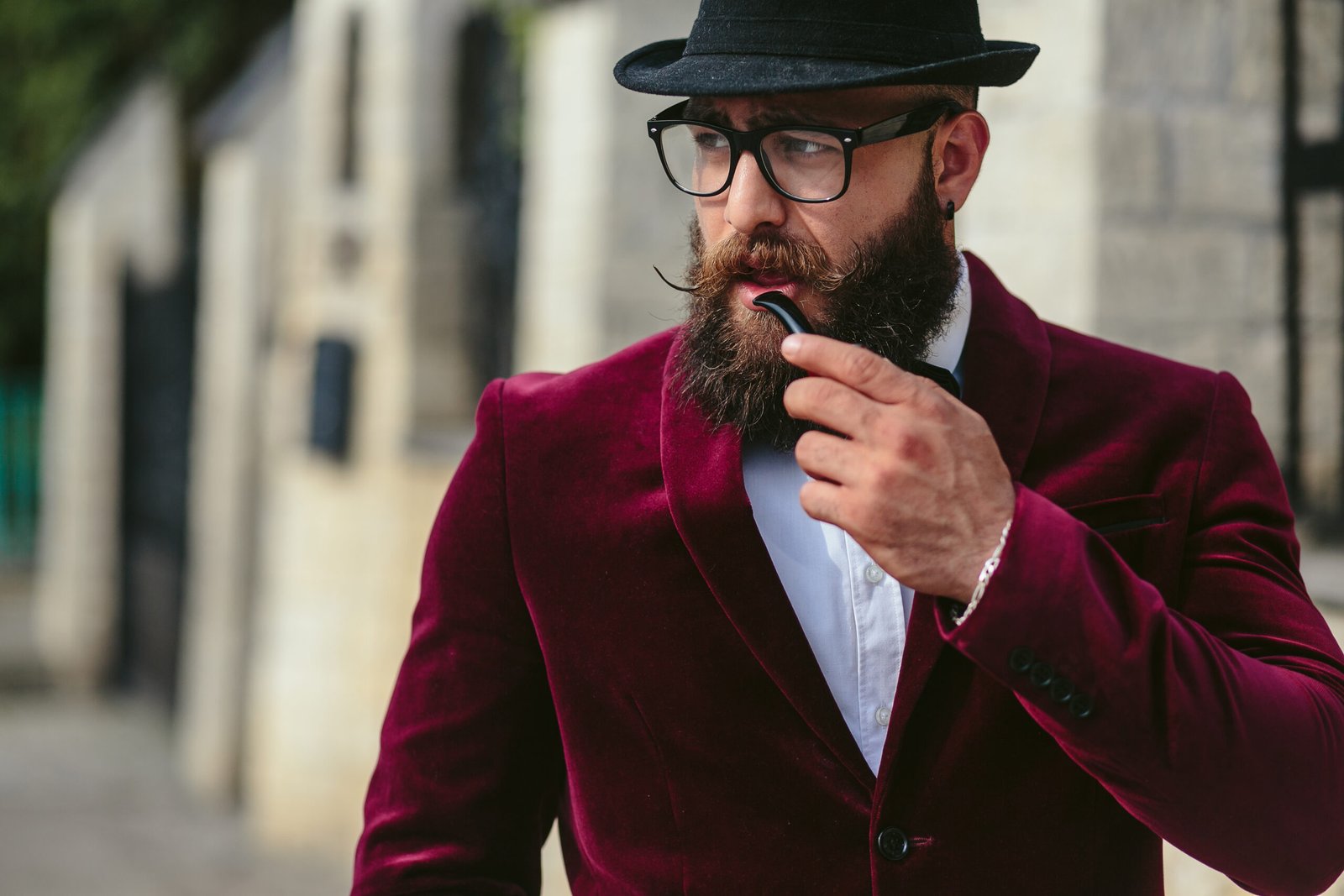
- Hats: A beanie, baseball cap, or fedora can add a touch of personality and complete a relaxed, cool aesthetic.
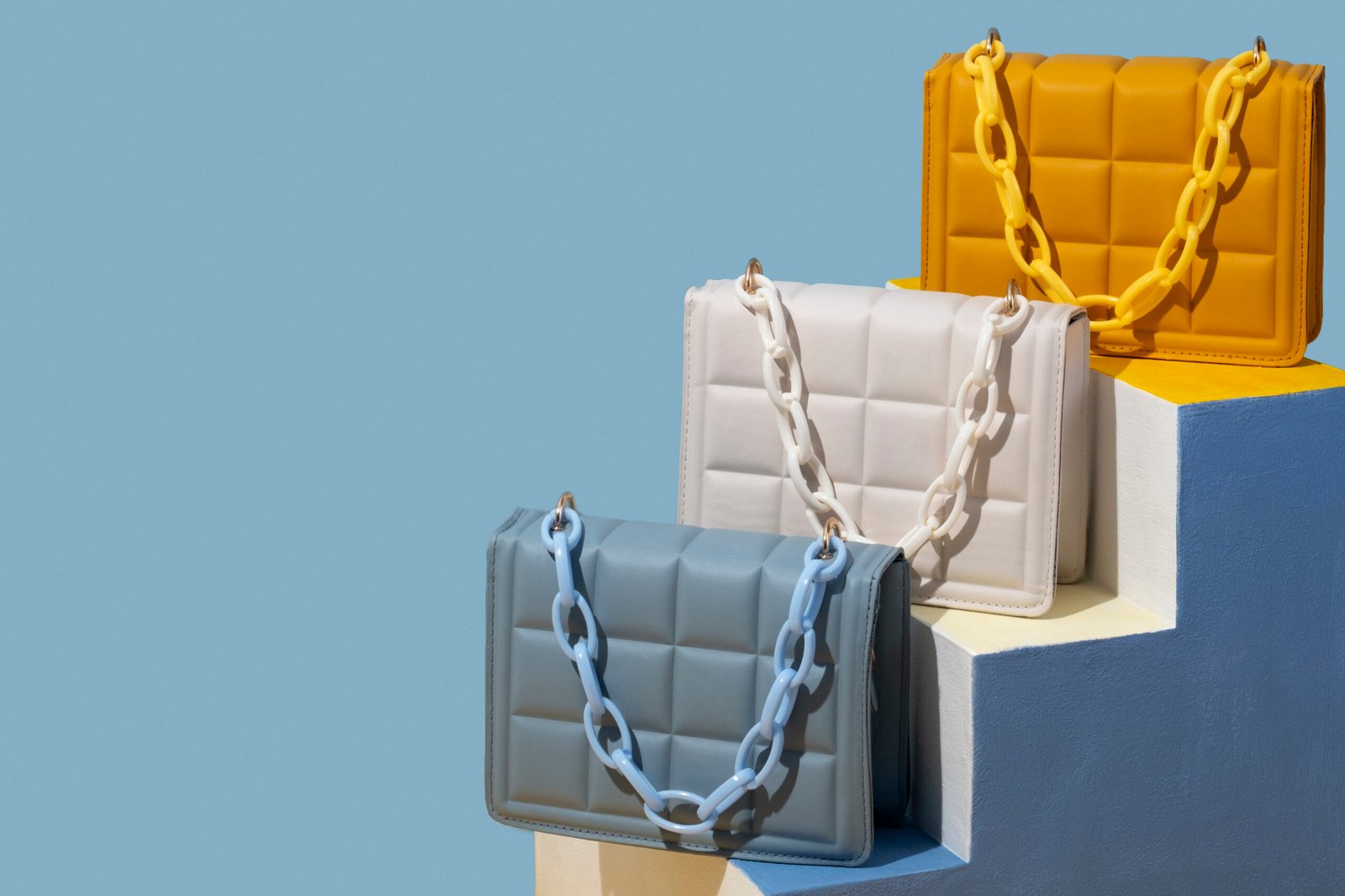
- Bags: Consider the size of your bag. A smaller, structured bag can provide a nice contrast to an oversized outfit, while an oversized tote can lean into the relaxed vibe.
Mastering oversized clothing is about understanding how to manipulate proportions and create visual interest. Experiment with these tips, find what works for your body and personal style, and embrace the comfort and confidence that comes with effortlessly chic, roomy silhouettes!

Leave a Reply