

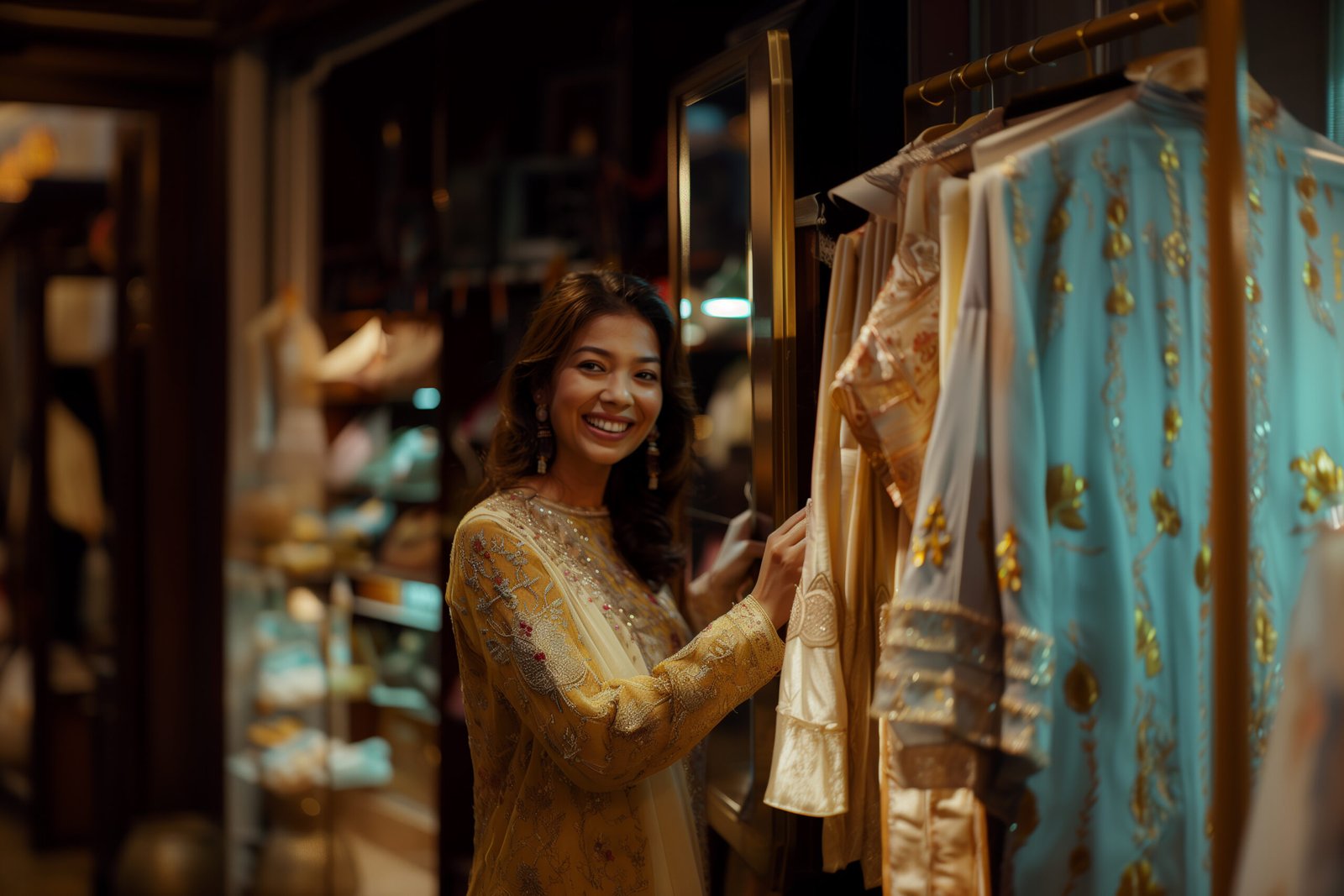
Diwali, the Festival of Lights, along with other Indian festivals like Navratri, Eid, and Ganesh Chaturthi, is a time of immense joy, celebration, and vibrant traditions. And central to these festivities is dressing up in dazzling ethnic wear! It’s the perfect occasion to embrace rich fabrics, intricate embellishments, and a spectrum of beautiful colors.
Whether you’re attending a grand family puja, a lively card party, or a festive gathering, choosing the right outfit can enhance your spirit of celebration. Here’s your comprehensive guide to styling traditional and contemporary looks for Diwali and other Indian festivals.
The Essence of Festive Dressing: Vibrancy, Elegance & Comfort
Indian festive wear is characterized by:
- Rich Colors: Jewel tones (emerald, ruby, sapphire), auspicious reds, golds, and vibrant pastels.
- Embellishments: Zari work, embroidery, sequins, mirror work, beads, stones, and prints.
- Luxurious Fabrics: Silk, brocade, velvet, georgette, chiffon, chanderi, raw silk.
- Traditional Silhouettes: While embracing modern twists, the core remains rooted in heritage.
Outfit Guide for Women:
- The Timeless Saree
- Why it’s a staple: The saree is the epitome of grace and tradition. It’s versatile enough for any festive occasion.
- Styles to look for:
- Silk Sarees: Kanjivaram, Banarasi, Mysore silk, or Patola silks are grand and perfect for Diwali Lakshmi Puja or main family gatherings.
- Georgette/Chiffon Sarees: Lighter and easier to drape, often featuring intricate embroidery, sequin work, or elegant prints. Great for card parties or casual gatherings.
- Organza Sarees: Trendy and elegant, offering a sheer, ethereal look with delicate embroidery.
- Styling Tip: Pair with an embellished blouse, traditional gold or kundan jewelry, bangles, and a bindi. High heels or embellished juttis complete the look.
- The Regal Lehenga Choli
- Why it’s a favorite: Offers a grand, celebratory look while being relatively easier to manage than a saree, especially for dancing.
- Styles to look for:
- Heavy Embroidery: For main event nights, choose lehengas with intricate zardosi, thread work, or sequin embellishments.
- Printed/Lightweight: For daytime events or smaller gatherings, opt for printed lehengas (floral, traditional motifs) in lighter fabrics like georgette or organza.
- Contemporary Silhouettes: Experiment with jacket blouses, peplum cholis, or fusion lehengas.
- Styling Tip: Pair with a statement necklace or chandelier earrings, bangles, and an elegant clutch.
- The Versatile Salwar Suit (Anarkali, Palazzo, Sharara)
- Why it’s practical: Comfortable, elegant, and comes in a vast array of designs.
- Styles to look for:
- Anarkali Suits: Long, flowing kurtas that give a regal, frock-like appearance. Perfect for a graceful look.
- Palazzo Suits: A short or long kurta paired with wide-legged palazzo pants. Modern and comfortable.
- Sharara/Gharara Suits: A short kurta with flared, layered pants. Trendy and festive, especially for Mehndi or Sangeet events.
- Styling Tip: Accessorize with jhumkas (bell-shaped earrings), bangles, and embellished flats (juttis/mojaris) or block heels.
- Kurti/Tunic with Skirts or Pants (Fusion)
- Why it’s chic: Offers a contemporary twist on ethnic wear, blending comfort with style.
- Styles to look for: A well-fitted, embellished kurti paired with a long ethnic skirt, tailored pants, or even dressy cigarette pants.
- Styling Tip: Can be dressed up with statement jewelry or kept subtle for a daytime gathering.
Outfit Guide for Men:
- The Classic Kurta Pajama
- Why it’s essential: Comfortable, traditional, and effortlessly stylish.
- Styles to look for:
- Silk/Brocade Kurtas: For a festive, richer look. Opt for solid jewel tones or subtle patterns.
- Linen/Cotton Kurtas: Ideal for daytime events, offering comfort in warmer weather.
- Embellished Kurtas: With subtle embroidery on the collar, placket, or cuffs.
- Pair with: Churidar pajamas, straight-cut pajamas, or even tailored trousers/chinos for a fusion look.
- Footwear: Mojaris, juttis, or loafers.
- Accessories: A pocket square, a statement watch.
- The Regal Bandhgala Suit / Nehru Jacket
- Why it’s sophisticated: Adds an immediate touch of royalty and sophistication.
- Styles to look for:
- Bandhgala Suit: A high-collared, structured jacket often paired with matching trousers. Perfect for formal festive evenings.
- Nehru Jacket: A waist-length or longer jacket with a mandarin collar, worn over a kurta-pajama set or even a shirt and trousers. Extremely versatile.
- Colors: Deep solids like navy, maroon, black, cream, or rich pastels.
- Footwear: Polished leather shoes or mojaris.
- The Sherwani
- Why it’s grand: A long, coat-like garment, typically worn for very formal occasions.
- Styles to look for: Richly embroidered sherwanis in silk or velvet.
- Pair with: Churidar or Patiala pants.
- Best for: The main wedding reception, or the most formal Diwali parties.
Accessory Power: Elevating Your Festive Look
- Jewelry: Statement earrings (jhumkas, chandeliers), elaborate necklaces (chokers, layered pieces), bangles/kadas, cocktail rings. For men, a statement watch or simple bracelet.
- Footwear: Embellished juttis, mojaris, elegant heels (block heels for comfort), or polished dress shoes.
- Bags: Small, embellished clutches, potlis, or sling bags that complement your outfit.
- Hair & Makeup: For women, consider traditional hairstyles (braids, buns with flowers) or elegant waves. Festive makeup can include kohl-rimmed eyes, bold lips, and a touch of glitter.
Diwali and Indian festivals are a celebration of light, joy, and culture. Dress the part by embracing the richness of Indian ethnic wear, mixing tradition with your unique style, and shining bright!

Leave a Reply