

Nature’s Touch: Natural Remedies for Acne That Really Work (and How to Use Them Safely)
Acne is a common skin condition that affects millions, extending beyond adolescence to impact adults too. While conventional treatments are highly effective, many people seek out natural remedies, often looking for gentler alternatives or complementary approaches to manage breakouts, reduce inflammation, and promote clearer skin.
The good news is that nature offers a bounty of ingredients with anti-inflammatory, antimicrobial, and healing properties that can genuinely make a difference. However, it’s crucial to approach natural remedies with knowledge and caution, as even natural ingredients can cause irritation if not used properly.
Understanding Acne Before Treating Naturally
Acne typically forms when hair follicles become clogged with oil (sebum) and dead skin cells, leading to inflammation and the growth of Propionibacterium acnes (P. acnes) bacteria. Natural remedies aim to:
- Reduce inflammation: Soothe redness and swelling.
- Fight bacteria: Target the P. acnes bacteria.
- Control oil production: Minimize excess sebum.
- Gently exfoliate: Help unclog pores.
Important Disclaimer: Always perform a patch test on a small, inconspicuous area of your skin (e.g., behind your ear or on your inner arm) before applying any new remedy to your face to check for allergic reactions or irritation. If your acne is severe or persistent, always consult a dermatologist.
Top Natural Remedies for Acne:
1. Tea Tree Oil
- Why it works: Derived from the Melaleuca alternifolia tree, tea tree oil is well-known for its powerful antimicrobial and anti-inflammatory properties. It can kill acne-causing bacteria and reduce redness and swelling.
- How to use: Never apply undiluted tea tree oil directly to your skin. Always dilute it first. Mix 1-2 drops of tea tree oil with 10-12 drops of a carrier oil (like jojoba oil, almond oil, or even water). Apply a small amount directly to blemishes using a cotton swab.
- Frequency: Once or twice daily.
- Caution: Can be irritating if used undiluted or in high concentrations. Discontinue use if irritation occurs.
2. Green Tea
- Why it works: Rich in antioxidants, particularly epigallocatechin gallate (EGCG), which has anti-inflammatory, anti-androgenic (reduces oil production), and antimicrobial effects.
- How to use:
- Topical: Brew green tea, let it cool completely. Dab it onto your face with a cotton ball or use it as a facial rinse.
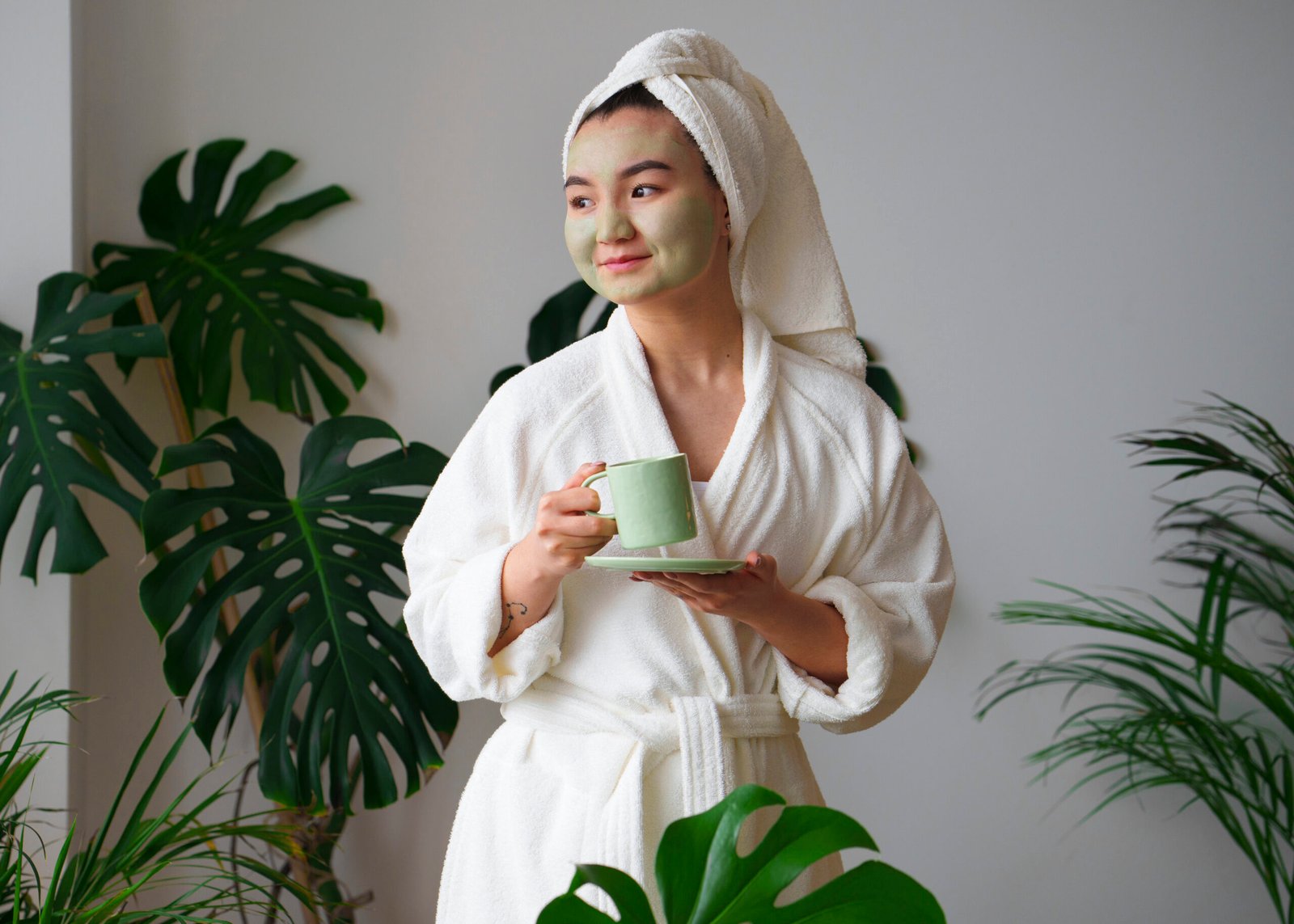
- Mask: Mix cooled green tea with honey (another anti-inflammatory) to form a paste and apply as a mask.
- Drink it: Regular consumption of green tea may also contribute to overall skin health.
- Frequency: Once or twice daily for topical application.
- Look for: Unsweetened green tea.
3. Honey
- Why it works: Raw honey (especially Manuka honey) possesses strong antibacterial and anti-inflammatory properties, making it effective for soothing inflamed breakouts and preventing bacterial growth.
- How to use: Apply a thin layer of raw honey directly to clean skin as a spot treatment or a full face mask. Leave on for 15-20 minutes, then rinse with lukewarm water.
- Frequency: 2-3 times a week.
- Look for: Raw, unpasteurized honey for maximum benefits.
4. Aloe Vera
- Why it works: Known for its soothing and anti-inflammatory properties, aloe vera can help calm redness and irritation associated with acne. It’s also hydrating without being greasy.
- How to use: Apply pure aloe vera gel (directly from the plant or a high-quality, pure gel without additives) directly to affected areas.
- Frequency: Once or twice daily.
- Look for: 100% pure aloe vera gel.
5. Witch Hazel
- Why it works: A natural astringent, witch hazel helps to reduce inflammation, soothe irritated skin, and tighten pores. It can also reduce excess oil.
- How to use: Apply a small amount of distilled witch hazel to a cotton pad and gently swipe over cleansed skin.
- Frequency: Once or twice daily, or as a spot treatment.
- Caution: Some formulations contain alcohol, which can be drying. Look for alcohol-free versions.
6. Apple Cider Vinegar (ACV)
- Why it works: ACV is a natural astringent and contains acetic acid, which can help dry out blemishes and has some antibacterial properties. Its acidic pH may also help rebalance the skin’s pH.
- How to use: Always dilute ACV. Mix 1 part ACV with 3-4 parts water. Apply with a cotton ball to affected areas after cleansing. Let it sit for 5-10 minutes, then rinse.
- Frequency: Once daily, gradually increasing if tolerated.
- Caution: Can be very strong and drying. Start with high dilution and increase slowly. Discontinue if irritation occurs.
7. Zinc
- Why it works: Zinc is an essential mineral that plays a role in skin health, immune function, and inflammation. Studies suggest both topical and oral zinc can help reduce acne severity by reducing inflammation and regulating oil production.
- How to use:
- Topical: Look for skincare products (serums, moisturizers) containing zinc PCA or zinc oxide.
- Oral Supplement: Consult a doctor before taking oral zinc supplements, as excessive intake can lead to side effects.
- Look for: Topical formulations are generally safer for self-treatment.
8. Oatmeal
- Why it works: Colloidal oatmeal is renowned for its soothing and anti-inflammatory properties. It can help calm irritated skin and gently absorb excess oil.
- How to use: Mix finely ground colloidal oatmeal with a little water or honey to create a paste. Apply as a mask to acne-prone areas for 10-15 minutes, then rinse.
- Frequency: 1-2 times a week.
General Tips for Acne-Prone Skin:
- Gentle Cleansing: Wash your face twice daily with a mild cleanser.
- Moisturize: Even oily skin needs hydration. Use a non-comedogenic (non-pore-clogging) moisturizer.
- Sun Protection: Always use a broad-spectrum SPF 30+ sunscreen daily, as some natural remedies can increase sun sensitivity.
- Don’t Pick: Picking or squeezing blemishes can worsen inflammation and lead to scarring.
- Cleanliness: Regularly clean pillowcases, phone screens, and anything that touches your face.
While natural remedies can be a valuable part of an acne management strategy, consistency, patience, and understanding your skin’s unique needs are key. If you don’t see improvement or if your acne worsens, don’t hesitate to seek professional advice.







Leave a Reply